Breathwork: why conscious breathing is the new ultimate fitness tool
🚀 Key Takeaways
- Core concept : Conscious breathing trains the autonomic nervous system, improving recovery and focus.
- Practical tip : Start with simple box breathing, 4 seconds inhale, 4 seconds hold, 4 seconds exhale, 4 seconds hold.
- Did you know : Modern breathwork mixes techniques from pranayama, the Buteyko method, and the Wim Hof method, studied since 2014.
Take one breath, intentionally.
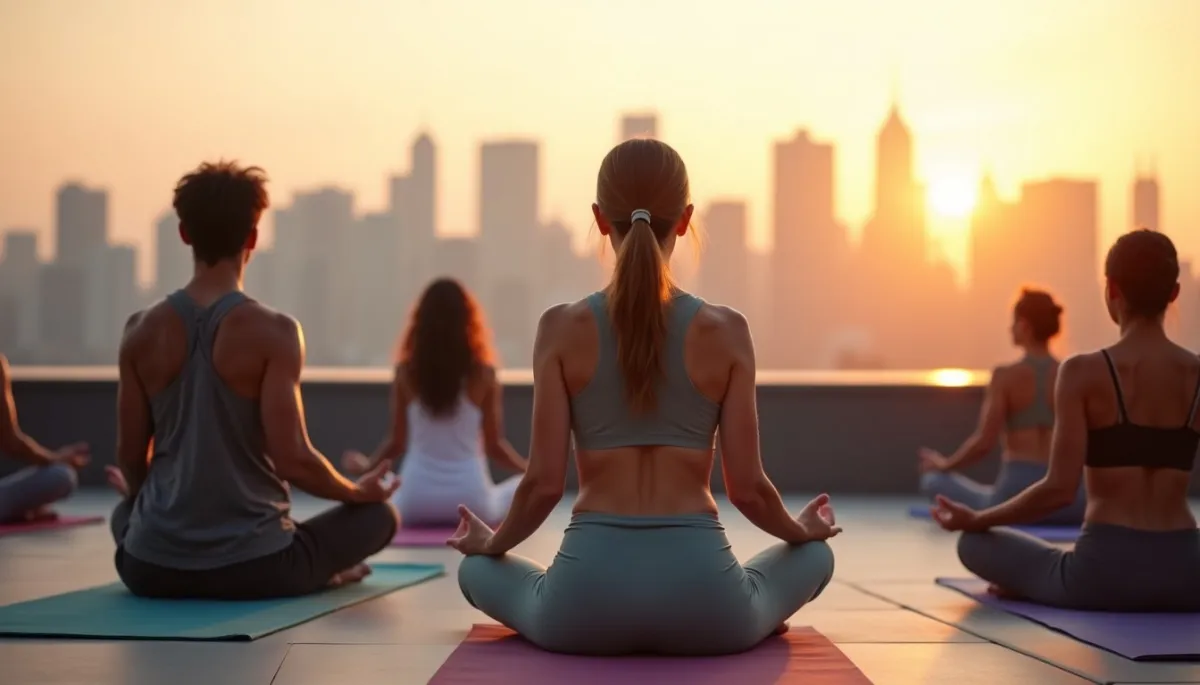
Imagine a rooftop gym at dawn in Lisbon, a small group spread on mats, faces lit by the first sun. An instructor counts softly, people breathe loud and deliberate, each round leaving behind a visible exhale in the cool air. Nearby a runner finishes intervals, then sits to do three minutes of coherent breathing, and you feel how the room shifts from adrenaline to calm. That is the scene where breathwork has moved from niche practice to everyday fitness ritual.
Breathe to perform
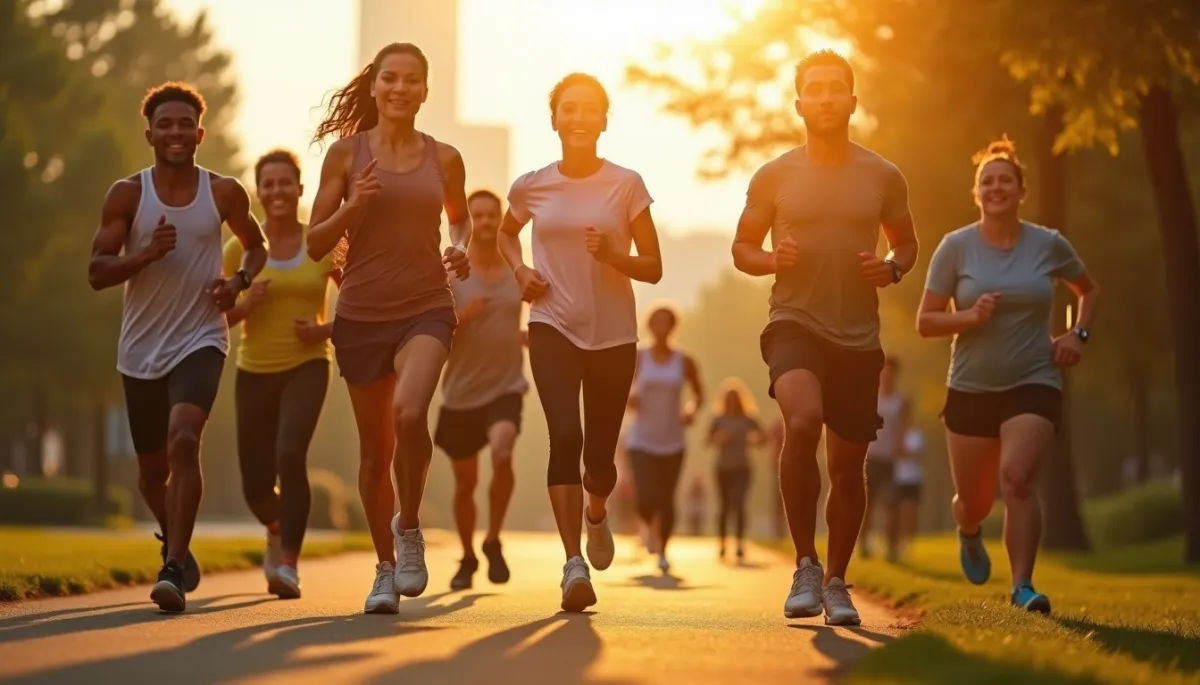
Across gyms and studios worldwide, breathwork is billed as a performance multiplier. Athletes use it to lower heart rate variability recovery time, control effort perception during high-intensity intervals, and speed post-workout parasympathetic rebound. The claim sounds modern, but the mechanisms are physiological and measurable.
Scientific interest accelerated after a 2014 PNAS study showed that trained practitioners using a combination of rhythmic hyperventilation and cold exposure could voluntarily influence their sympathetic nervous system and inflammatory responses. Since then, multiple studies (2020-2024) documented that paced breathing affects heart rate, blood pressure and even emotional regulation, with measurable implications for training and recovery.
Clinicians and sports coaches now integrate simple breathing protocols into warm-ups and cooldowns. Box breathing or coherent breathing (around five breaths per minute) can reduce perceived exertion and improve focus. For endurance athletes, nasal breathing techniques borrowed from the Buteyko method help manage breathing economy during long efforts.
Why it surged
The rise of breathwork is both cultural and technological. Social platforms and podcasts popularized teachers like Wim Hof and neuroscientists who explain the brain-body link in accessible ways. The Huberman Lab podcast and wellness influencers since 2020 helped translate lab findings into daily practices.
At the same time, post-pandemic awareness of respiratory health made people curious about their breathing patterns. Apps such as Calm and Headspace added guided breathwork sessions, and dedicated breathwork apps and wearables began offering biofeedback, making training visible and gamified.
Historically, breath techniques come from ancient pranayama and mid-20th century methods like Buteyko. Modern breathwork synthesizes these traditions with evidence-based frameworks, which appeals both to athletes who want metrics, and to professionals who want quick mental resets between meetings.
Limits and cautions
Breathwork is powerful, but not risk-free. Intense protocols that include rapid hyperventilation can provoke lightheadedness, syncope, or, in rare cases, seizures. People with cardiovascular disease, uncontrolled hypertension, pregnancy, or epilepsy should consult a physician before trying advanced techniques.
There is also an overhyping risk. Not every breathwork claim is backed by large randomized trials. Some promoters promise dramatic detox or permanent immune rewiring. The safest path is incremental experimentation: start with gentle paced breathing, observe effects, and track recovery metrics such as resting heart rate and subjective sleep quality.
Finally, access and credentialing vary. Certified instructors exist, but the field has low regulation. Choose teachers with a combination of lived practice, clear safety guidance, and preferably collaborations with medical or sports science professionals.
Practical starter routine
Begin with three daily sessions of five minutes. A simple sequence: one minute of diaphragmatic breathing (inhale through the nose, exhale through the nose), three minutes of box breathing (4-4-4-4), finish with one minute of slow exhales to activate the vagus nerve. Use a timer or an app for guidance.
For post-workout cooldowns, add two minutes of coherent breathing at five breaths per minute to accelerate parasympathetic return. For focus, try one minute of strong, deliberate inhales followed by long exhales to reset attention before a meeting.
Track subjective energy, perceived exertion and sleep. Over weeks, many users report lower resting heart rate, fewer midday energy dips and faster mental recovery.
Thanks for reading, and don't forget, Enjoy Life Moments!