Blindfold: awaken the other senses
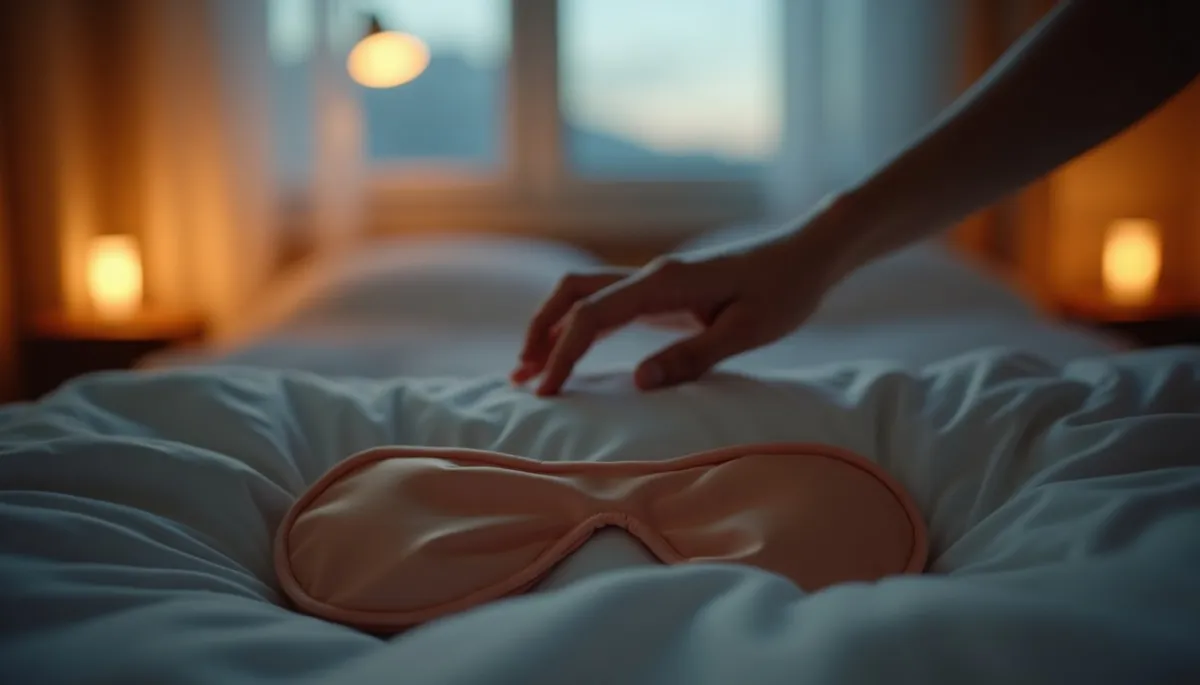
Closing your eyes can transform the ordinary into an experience. In rooms, restaurants and sensory bars, the blindfold refocuses attention, and small sensations become entire landscapes.
🚀 The essentials
- Key concept: The blindfold redirects attention to the other senses.
- Practical advice: Start with a silk blindfold, set a time, use a single additional stimulus (sound or scent).
- Did you know: The restaurant “Dans le Noir?” popularized dining in the dark to refine taste and smell.
It's intimate and a little daring. Imagine a room lit by the glow of a street lamp, soft music, and your partner nearby while your eyes are covered; each breath, each whisper becomes immense.
Silence and intensity
Blindfolding is a simple and ancient gesture that transforms a moment into a concentrated experience. In rituals, games, and sometimes wedding customs, depriving one's sight serves to change roles and expectations.
Nowadays, banners are found in public formats. The Parisian restaurant “Dans le Noir?” democratized the idea: guests eat in total darkness, served by blind staff. Sensory bars in Tokyo offer evenings where you can taste cocktails blindfolded to refine your olfactory and taste memory.
On an intimate level, the blindfold has seen a resurgence of interest with the rise of conversations around sex positivity and the normalization of consensual kink. Many couples use it as a gateway to something new, without complex equipment.
Why it works
The brain directs attention like a searchlight. When vision is removed, that spotlight turns to hearing, smell, and touch. Neuroscience studies show that sensory cortices are flexible; a reduction in visual input can increase auditory and tactile sensitivity (this is called cross plasticity).
Concretely, a whisper seems closer, a touch becomes a map to explore, and a temperature variation is amplified. Oxytocin and other attachment-related hormones may increase during focused intimate contact.
The stories of couples and sensory professionals confirm these mechanisms. Many people discover new preferences: the way a partner breathes, the shiver of a collarbone, or a favorite scent. Front details drowned in the visual routine then take on relief.
Precautions and variations
Consent is fundamental. Before any session, discuss limits, a safe word or gesture, and comfort. Favor a non-visual signal, such as a firm pat or a consenting word.
Start slowly. Choose a breathable and flexible fabric, avoid knots that are too tight. Short experiences (five to twenty minutes) prevent anxiety. If you suffer from claustrophobia, epilepsy or breathing problems, avoid complete occlusion of the eyes.
Try safe and fun variations: headband plus scented oil, a guided playlist, or textured objects like silk and fur. There are also public variations: a blindfolded wine tasting, or a hand-in-hand walk in a familiar neighborhood (after scouting). These recreational exercises can permanently change the way partners communicate and notice each other.
Thanks for reading, and remember, Enjoy life's moments!
