Andrés Iniesta: breaking the taboo of depression at the height of global fame
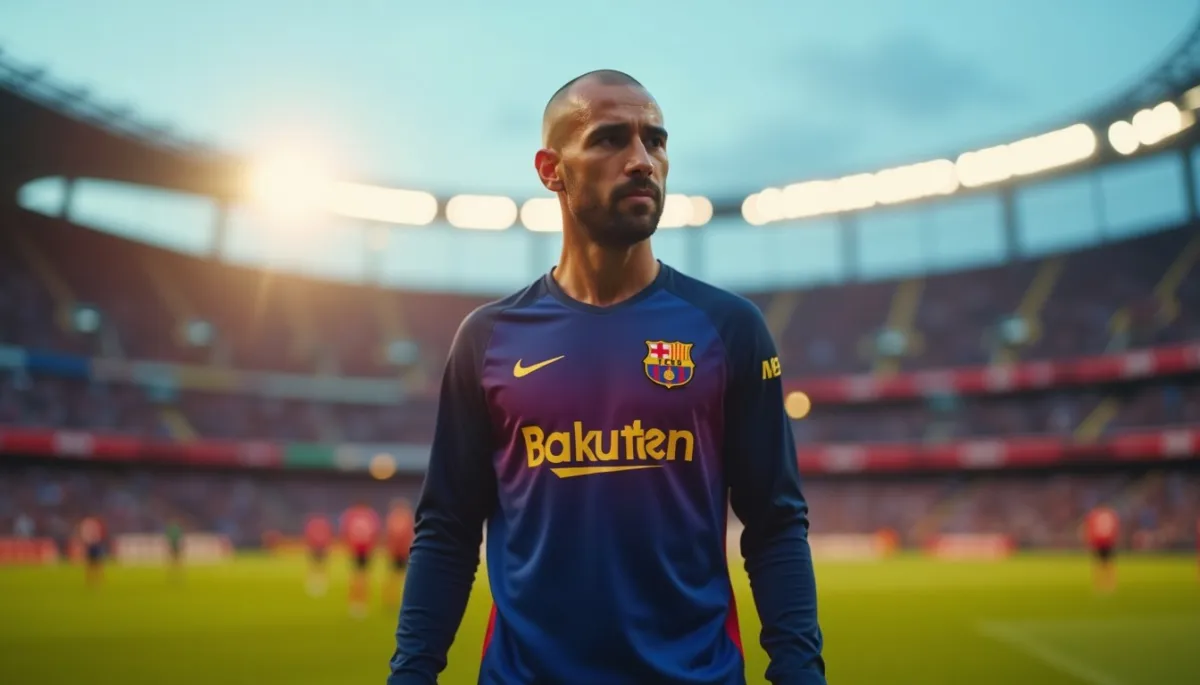
🚀 Key Takeaways
- Concept key : A world-class athlete can live episodes of depression even while winning titles.
- Practical tip : Talk to someone, seek a professional, and use small daily anchors like sleep and nature.
- Did you know : Iniesta scored the winning goal in the 2010 World Cup final and later moved to Japan in 2018.
He lifted the ball, then the world watched him write a sentence on his shirt. In the summer of 2010, at Soccer City in Johannesburg, Andrés Iniesta scored the goal that made Spain world champion and revealed a tribute to his late friend Dani Jarque. But that public triumph coexisted with private fragility.
Quiet storms
Andrés Iniesta is one of football's most celebrated midfielders. Born 11 May 1984 in Fuentealbilla, Albacete, he joined La Masia, FC Barcelona's youth academy, at age 12 in 1996. He made his first-team debut on 29 October 2002. Over a career spanning 2002 to 2018 at Barça, he became central to the team's identity under Pep Guardiola between 2008 and 2012, collecting multiple La Liga and UEFA Champions League titles, and earning global recognition as a creator and calmer on the pitch.
His crowning international moment came on 11 July 2010, when his extra-time strike beat the Netherlands, giving Spain its first World Cup. The image of Iniesta removing his shirt to show "Dani Jarque siempre con nosotros" is etched in sporting memory. In 2018 he left Barcelona and joined Vissel Kobe in Japan, a move that marked both an athletic new chapter and a moment of personal reflection.
Beyond goals and medals, Iniesta's reputation rests on craft, humility, and leadership. Teammates like Xavi Hernández and Sergio Busquets, and managers such as Pep Guardiola and Vicente del Bosque, have repeatedly pointed to his intelligence and emotional steadiness. Yet those close to the game know that high demand and continuous exposure can hide psychological strains.
Unseen weight
Pressure, travel, expectation and isolation form a heavy mix. The life of an elite footballer involves relentless schedules, media scrutiny and the need to perform under intense public gaze. For Iniesta, the weight of representing Barcelona and Spain at their peak intensified after 2008, a period where tactical genius collided with public adulation.
Public figures acknowledging mental health struggles is still relatively recent. According to the World Health Organization, in 2017 more than 300 million people worldwide lived with depression. When a player of Iniesta's stature speaks about feeling low or isolated, it shifts perceptions. It shows that athletic excellence does not provide immunity to mental illness.
While Iniesta has been cautious and respectful about personal details, his interviews since leaving Barcelona in 2018 and his public appearances have emphasized the importance of speaking openly. That approach mirrors broader changes in sport: athletes such as Naomi Osaka and Marcus Rashford have also brought mental health to the forefront, creating a new space for conversation in public sport culture.
From taboo to talk
What changes when a legend talks? First, language. Naming sensations—sadness, fatigue, emptiness—helps those who suffer recognize themselves. Second, practice. Teams increasingly provide psychological support, normalizing therapy, counselling and mental skills coaching as part of athlete care.
For the public, Iniesta's testimony translates into practical lessons. Recognize warning signs: prolonged low mood, detachment from activities, sleep disturbances, and difficulty concentrating. Simple steps help: stabilize sleep, maintain social contact, prioritize movement and seek professional help when needed. Local resources, such as sports psychologists at clubs or national mental health hotlines, are concrete avenues.
Finally, there is the narrative shift. When champions admit vulnerability, the culture around performance becomes more humane. Iniesta’s legacy is not only the goals and passes; it is also a small but meaningful push toward accepting that strength includes asking for help.
Thanks for reading, and don't forget, Enjoy Life Moments!