Tulum : entre ruines mayas et conscience écologique
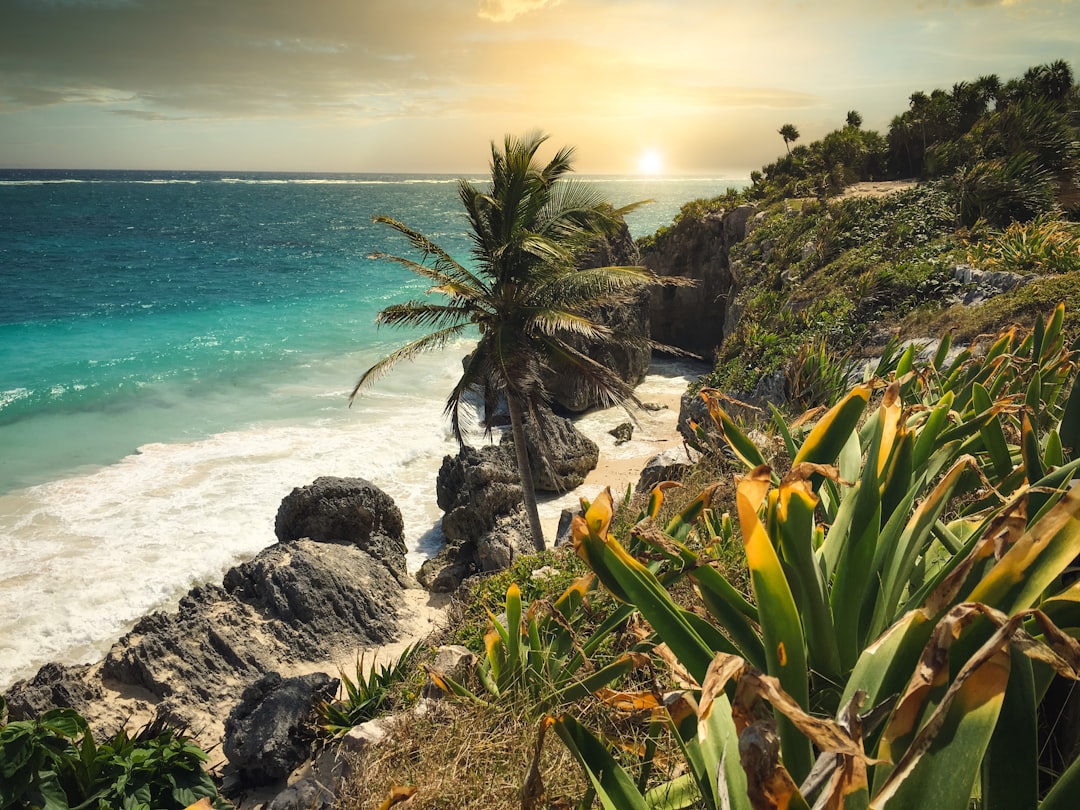
Tulum est depuis longtemps une carte postale de la Riviera Maya : des ruines au sommet d'une falaise surplombant des eaux turquoise, des plages de sable fin et des cénotes cachés. En 2026, la destination se rééquilibrera : honorer le patrimoine archéologique tout en s'adaptant aux pressions du tourisme durable.
Cet article explore la façon dont l'héritage maya de Tulum et les communautés locales gèrent leur croissance grâce à la conservation, aux politiques locales et à la conscience écologique de la base. Que vous soyez un voyageur novice ou un visiteur récurrent, apprenez à vivre Tulum de manière responsable.
Un patrimoine vivant : les ruines de Tulum et leur signification
Le site archéologique de Tulum se trouve sur une côte rocheuse et représente l'une des dernières villes construites et habitées par les Mayas. Contrairement aux sites intérieurs, le cadre de Tulum lui confère une importance à la fois stratégique et symbolique ; ses temples en bord de mer sont emblématiques et fragiles.
Les efforts de conservation dans et autour des ruines se concentrent désormais sur le flux de visiteurs, le contrôle de l'érosion et la préservation des points de vue sacrés. Les archéologues, les autorités locales et les groupes communautaires collaborent pour maintenir les ruines accessibles tout en protégeant les pierres et les histoires qu'elles contiennent.
Nature et culture : cénotes, Sian Ka'an et priorités des écosystèmes
Au-delà des ruines, les cénotes de la Riviera Maya et la réserve de biosphère de Sian Ka'an font partie intégrante de l'identité et de la santé écologique de Tulum. Les cénotes d'eau douce alimentent les rivières souterraines, soutiennent la biodiversité et détiennent une valeur culturelle pour les descendants des Mayas.
Sian Ka'an reste une pierre angulaire de la conservation : une biosphère de l'UNESCO où coexistent mangroves, zones humides et récifs. La protection de ces zones est vitale : la santé des récifs coralliens, des pêcheries et des moyens de subsistance locaux dépend d'une gestion stricte de l'environnement.
Des initiatives écologiques remodèleront Tulum en 2026
Depuis le début des années 2020, Tulum a connu un changement : les hôtels-boutiques adoptent les énergies renouvelables, les clubs de plage réduisent les plastiques à usage unique et les ONG locales promeuvent la restauration des zones humides. De nombreux restaurants privilégient désormais l'approvisionnement local à faible impact et la réduction des déchets.
Les initiatives communautaires – de la surveillance des récifs au nettoyage des plages – montrent que la conscience écologique n'est pas seulement une étiquette marketing mais un mouvement populaire. Les voyageurs peuvent trouver des écolodges certifiés, des visites communautaires et des opportunités de bénévolat qui contribuent directement à la conservation.
Comment visiter de manière responsable : conseils pratiques pour les voyageurs
Choisissez des expériences qui respectent à la fois l'archéologie et les écosystèmes : réservez des visites guidées avec des guides agréés, évitez de toucher les ruines vulnérables et suivez les sentiers balisés. Pour les plages et les cénotes, utilisez un écran solaire sans danger pour les récifs et emportez des bouteilles d'eau réutilisables.
Soutenez l'économie locale en dînant dans des restaurants familiaux, en achetant des produits artisanaux auprès de coopératives communautaires et en utilisant des services de transport qui minimisent les émissions. Les petits choix – depuis le pourboire équitable aux guides touristiques jusqu'à l'option de transferts de groupe – s'additionnent.
Où séjourner et manger : les options durables à la hausse
La scène hôtelière de Tulum en 2026 mélange des éco-resorts, des petits hôtels durables et des auberges conscientes. Recherchez des propriétés avec des rapports de durabilité transparents, des systèmes de conservation de l'eau et des partenariats avec des projets de restauration locaux.
La culture culinaire de Tulum met l'accent sur les fruits de mer frais et les plats d'inspiration maya, souvent réinterprétés par des chefs engagés dans un approvisionnement durable. Recherchez des marchés éphémères et des chefs collaborant avec les pêcheurs et les agriculteurs locaux.
Les défis à venir : gérer la croissance sans perdre son âme
La popularité de Tulum crée des tensions : les tensions sur les infrastructures, les pressions immobilières et les facteurs de stress écologiques persistent. Une planification efficace nécessite un leadership local, des investissements responsables et des réglementations applicables pour garantir une résilience à long terme.
Les visiteurs et les investisseurs doivent mettre en balance le plaisir et l'impact. Des voyages respectueux, des choix éclairés et un soutien aux programmes de conservation peuvent aider Tulum à rester à la fois un trésor culturel et un leader écologique sur la Riviera Maya.
Lectures complémentaires et ressources
Pour un contexte plus large sur les paysages naturels et culturels du Mexique, consultez National Geographic et un aperçu du pays sur Wikipedia. Ces ressources fournissent des informations générales sur la conservation, le patrimoine et la dynamique des voyages à travers le Mexique.
Lors de la planification de votre voyage, consultez les guides officiels, les groupes de conservation locaux et les voyagistes certifiés pour vous assurer que votre visite soutient la préservation et le bien-être de la communauté.
Merci d'avoir lu, et n'oubliez pas, Profitez des moments de la vie !