La Riviera suisse à l'époque romaine : Les vestiges cachés de Lousonna
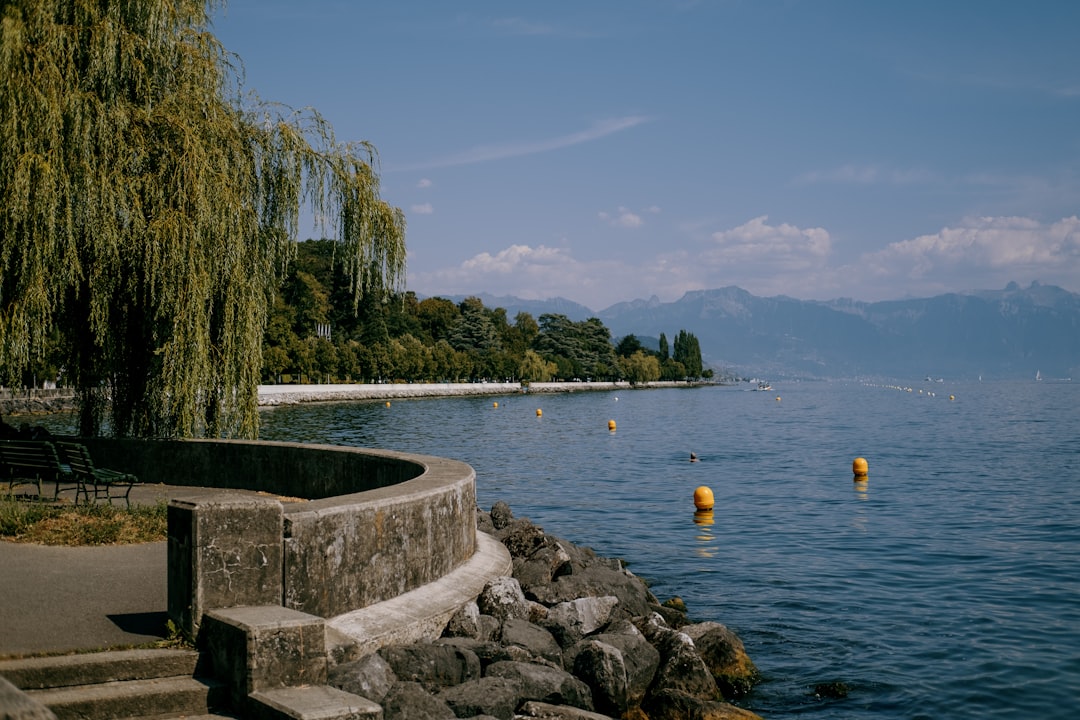
La colonie romaine de Lousonna, qui fait aujourd'hui partie du district de Vidy à Lausanne, était un carrefour stratégique au bord du lac de la province romaine d'Helvétie. Bien qu'en grande partie ensevelis par des siècles de changements, des fragments de murs, de trottoirs et d'artefacts font encore surface, offrant un aperçu surprenant d'un tissu urbain façonné par le commerce et le lac.
En marchant le long du rivage près de Vidy, les visiteurs peuvent reconstituer les contours d'une ville portuaire : des rues, des fondations de bâtiments et des fragments occasionnels de mosaïque qui font allusion à la richesse domestique et aux espaces publics. Les musées locaux et les sentiers guidés aident à placer ces ruines dans un récit plus clair de la vie quotidienne romaine sur la Riviera suisse.
Historique et contexte
Lousonna était à l'origine une colonie au bord d'un lac qui s'est ensuite développée sous l'influence romaine pour devenir une ville petite mais importante. Sa position au bord du lac Léman en faisait un nœud naturel pour les routes commerciales et les échanges culturels entre l'intérieur des Alpes et les réseaux méditerranéens.
Au fil des siècles, les transformations (ensablement naturel, construction médiévale et croissance urbaine moderne) ont obscurci une grande partie de l'empreinte romaine. Pourtant, les travaux archéologiques ont régulièrement révélé des couches d'occupation, montrant comment la ville s'est adaptée à travers les époques tout en préservant les traces de sa phase romaine.
Découvertes archéologiques
Les fouilles autour de Vidy ont mis au jour des fondations, des tronçons de route et des débris domestiques que les archéologues utilisent pour reconstruire le quadrillage des rues et les fonctions des bâtiments. Les découvertes comprennent souvent des poteries, des pièces de monnaie et des matériaux de construction qui permettent de dater les phases d'occupation et d'activité commerciale.
Les expositions du musée dessinent ces fragments dans des histoires cohérentes : des plans reconstitués, des panneaux d'interprétation et des artefacts sélectionnés permettent aux visiteurs d'imaginer les rythmes de la vie (marchés, bains et production artisanale) dans une ville romaine au bord d'un lac. Pour plus de contexte, les ressources faisant autorité incluent des résumés sur Wikipedia - Lausanne et des fonctionnalités régionales plus larges comme National Geographic - Suisse.
Que voir et comment visiter
Aujourd'hui, l'histoire de Lousonna est racontée à travers un parcours touristique compact : des fondations exposées à Vidy, le musée archéologique local, et des panneaux d'interprétation qui retracent l'ancien littoral. Combinez une promenade au bord d'un lac avec une visite de musée pour convertir des fragments en une carte mentale vivante.
Le timing est important : la lumière tôt le matin ou en fin d'après-midi améliore l'atmosphère, tandis que les visites guidées ou une brochure locale fournissent un contexte historique essentiel. Portez des chaussures confortables : le site mélange des sentiers de parc et des surfaces archéologiques inégales.
Pourquoi Lousonna est important
Lousonna, c'est plus que des pierres éparses : c'est un rappel que l'élégance moderne de la Riviera suisse repose sur des siècles d'échanges humains. La couche romaine relie l'histoire régionale aux réseaux méditerranéens et invite à la réflexion sur la continuité, la réutilisation et la mémoire urbaine.
La protection et l'interprétation de ces vestiges aident les visiteurs et les habitants à comprendre l'évolution des lieux. Les petits sites archéologiques comme Lousonna enrichissent le paysage culturel de la Riviera et récompensent les voyageurs curieux désireux de regarder au-delà des vues de carte postale.
Merci d'avoir lu, et n'oubliez pas, Profitez des moments de la vie !