Where do howler monkeys live in the Riviera Maya?
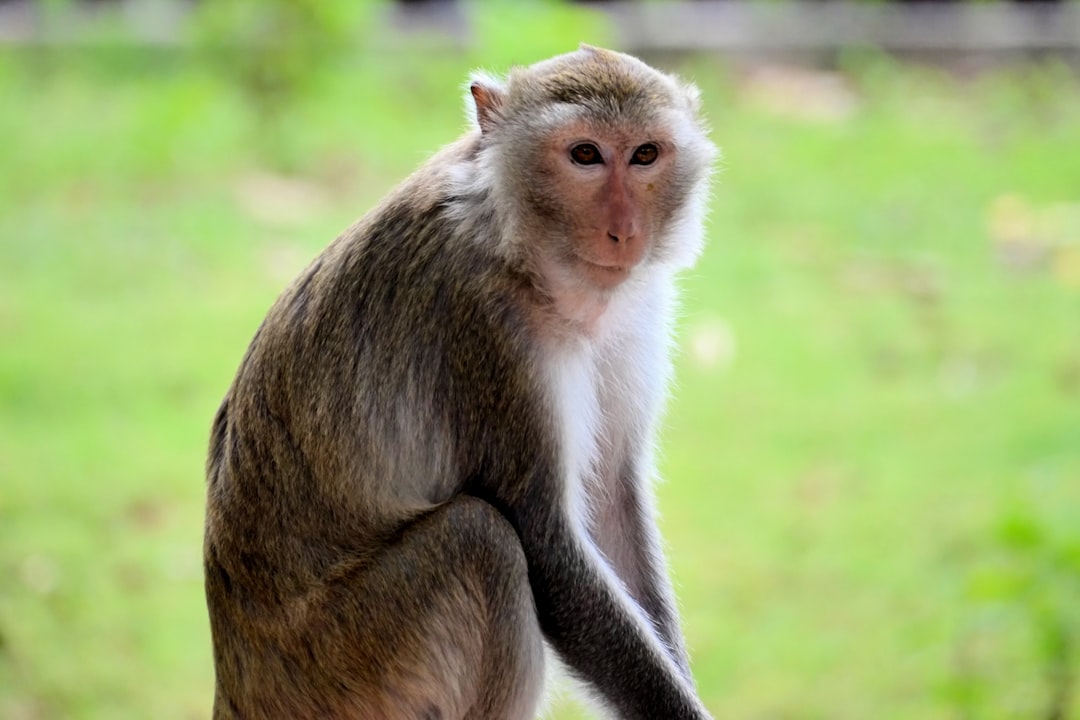
The Riviera Maya is often associated with turquoise seas and white-sand beaches, but inland the landscape changes to lush tropical forest, mangroves and biosphere reserves where wildlife thrives. Among the most iconic residents are howler monkeys (genus Alouatta), whose resonant howls can travel for long distances across the canopy.
This article maps the main habitats for howlers in the region, highlights the best places and times to hear them, and gives practical tips for respectful encounters. Whether you’re a wildlife lover, photographer or curious traveler, you’ll leave ready to track down those unforgettable jungle calls.
Where they live in the Riviera Maya
Howler monkeys in the Riviera Maya are most commonly found in continuous stands of tropical dry and semi-evergreen forest, coastal mangroves and protected biosphere reserves. The species you are most likely to encounter is the mantled howler (Alouatta palliata), which occupies canopy layers where fruiting trees and abundant leaves provide food and movement corridors.
Key habitats include the Sian Ka'an Biosphere Reserve and the jungle pockets around Punta Laguna and inland from Tulum and Akumal. These areas offer the dense canopy and connected treetops that howlers need to travel, feed and establish social groups without descending frequently to the ground.
Best places to see and hear them
Punta Laguna Nature Reserve (near Cobá) is one of the best places to hear and often see howler monkeys close to the Riviera Maya. Small guided tours, canoe trips on the lagoon and quiet forest trails increase your chances of observing families as they move through the canopy at dawn and dusk.
The Sian Ka'an Biosphere Reserve protects vast tracts of coastal forest and mangroves and is another top spot — boat or guided eco-tours that enter the reserve’s quieter channels can put you within earshot of their calls. Even near Tulum and Akumal, fragments of jungle and green corridors can harbor groups of howlers if the habitat remains connected.
Behavior and the famous howls
Howler monkeys are famous for their deep, far-carrying vocalizations produced by an enlarged hyoid bone in the males. These howls serve to mark territory, coordinate group movement and warn rival groups, and are most often heard at dawn and sometimes at dusk.
Socially, howlers live in small groups that can range from a few individuals to over a dozen. Their diet is largely folivorous (leaves), supplemented by fruit and flowers when available, which is why you’ll often find them in areas with abundant fruiting trees and varied canopy structure.
Responsible viewing and conservation
Observe wildlife responsibly: keep distance, remain quiet, avoid feeding or attempting to touch monkeys, and follow the guidance of certified local guides. Feeding howler monkeys disrupts natural foraging, can spread disease and may alter their behavior in dangerous ways.
Many of the best viewing sites are inside protected areas or community-managed reserves. Supporting reputable ecotour operators and following biosphere regulations helps preserve habitat and the long-term survival of howlers. For background on the species and conservation, see resources like National Geographic and the Sian Ka'an entry.
Practical tips for travelers
Go early: the best time to hear and see howler monkeys is at dawn when groups are active and calling. Bring binoculars, a telephoto lens if you’re photographing, sturdy shoes for uneven forest paths and insect repellent. Try to stay on trails to minimize habitat disturbance.
Choose small-group, locally guided tours that prioritize conservation — guides know the best vantage points and how to minimize impact. If you visit Sian Ka'an or Punta Laguna, combine your wildlife search with other responsible activities like guided canoeing, birding or cultural tours to support local communities.
Thanks for reading, and don't forget, Enjoy Life Moments!