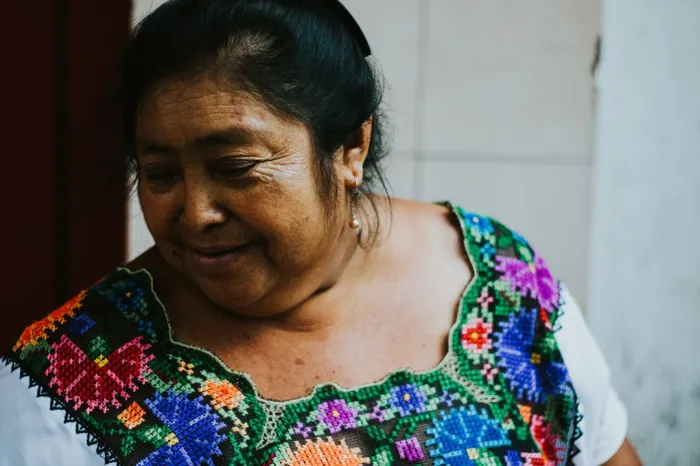
Slow travel in the Riviera Maya: a conscious itinerary
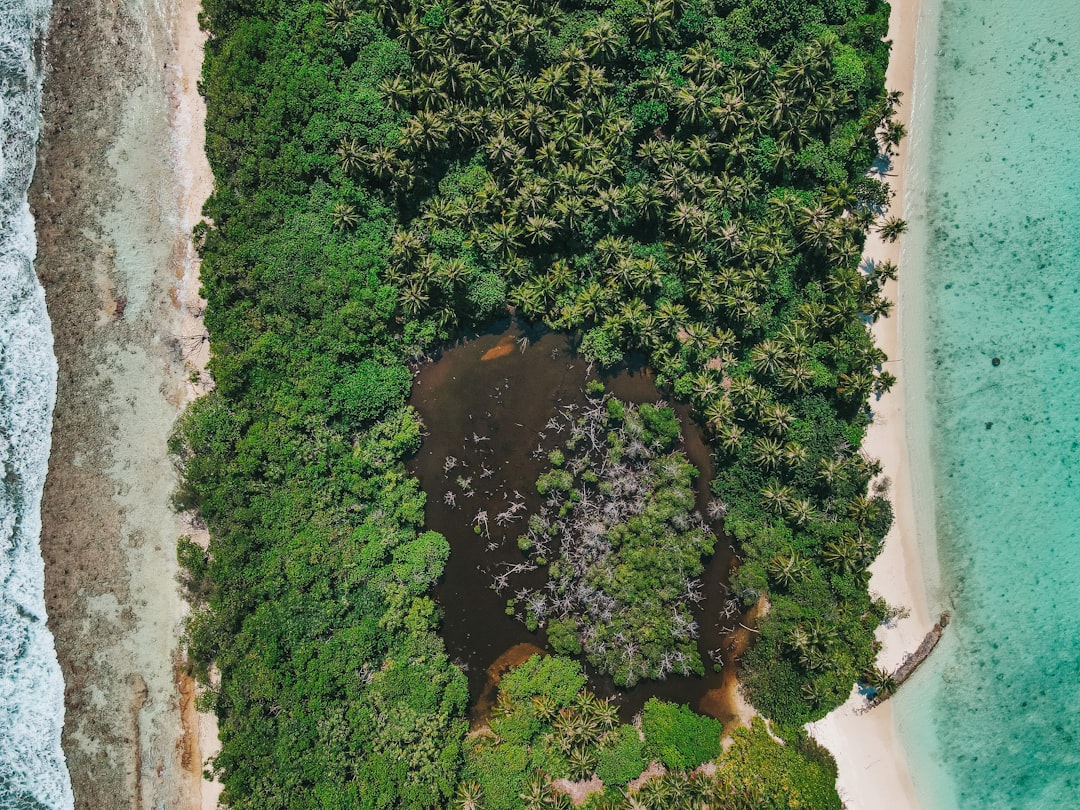
Swap rush-hour transfers for bicycle rides along palm-lined avenues and long breakfasts at family-run cafes. This itinerary is designed for travelers who want to lower their footprint while deepening their connection to place, people and nature.
In 2026 the Riviera Maya has matured beyond party hubs: conservation projects, community-led tours and eco-lodges now shape the region’s identity. Below is a conscious route that favors longer stays, meaningful encounters and low-impact experiences.
Why choose slow travel in the Riviera Maya?
Slow travel lets you experience the subtle rhythms of the coast — dawns at the cenotes, late-market breakfasts, afternoons restoring coral at community marine projects. Rather than rushing between attractions, you learn the names, stories and recipes behind places.
Travelers today look for authenticity and resilience; reliable resources like National Geographic’s Mexico guide highlight conservation areas and cultural heritage that benefit from thoughtful tourism. Slow travel directs your spending to local businesses that invest back into their communities.
A conscious 7–10 day itinerary
Days 1–3: Land in Cancun and move gently to Playa del Carmen. Skip the highway sprint: take a colectivo or private transfer that supports local drivers, then spend two nights exploring the pedestrian-friendly 5th Avenue, sampling street food and visiting nearby cenotes by bike.
Days 4–6: Head south to Akumal and Tulum. Base yourself in a small beachfront guesthouse or eco-lodge and take your time snorkeling with sea turtles in Akumal bay (choose certified, low-impact operators). In Tulum, split mornings between archaeological sites and afternoons in quieter cenotes.
Days 7–8: Reserve at least two nights for the Sian Ka'an Biosphere Reserve. Book a community-guided boat tour to observe mangroves, birds and dolphins while learning about local conservation work. Slow travelers often choose an overnight stay near the reserve to absorb the serenity and support community tourism.
Optional days 9–10: If you can, cycle inland to smaller villages or take a short trip to Coba to rent a bike among the ruins or to Valladolid to taste Yucatecan home cooking. Stretching the trip lets you trade hurried photos for conversations and lingering meals.
Sustainable stays and low-impact transport
Prioritize small, family-run hotels, eco-lodges with clear sustainability policies, and casitas using renewable energy or water-saving measures. These properties often employ locals and fund conservation initiatives directly tied to the landscape you’re visiting.
For short hops, use colectivos (shared vans), bicycles, and electric scooters where available. When a private transfer is necessary, ask if the company offsets emissions or supports local communities. Slower transport choices reduce emissions and reveal roadside life you’d otherwise miss.
Local food, mindful experiences and respectful wildlife encounters
Food is a fast route to culture: choose mercados, seaside palapa stands and community-run restaurants. Try regional specialties like cochinita pibil, grilled fish tacos, and fresh ceviche made by fishermen's families — and favor places that source ingredients locally.
For wildlife encounters — sea turtles, birdwatching, or observing mangroves — book operators with recognized certifications and small group sizes. Responsible experiences prioritize animal welfare and habitat protection over photo ops.
Practical tips and trusted resources
Pack reef-safe sunscreen, refillable water bottles, and lightweight reusable bags. Respect cenote and reef etiquette: no loose sunscreen when swimming, avoid touching corals, and follow guides’ instructions. These small choices help preserve fragile ecosystems for future visitors.
For planning and reviews, consult reputable platforms and tourism guides to vet operators and accommodations. TripAdvisor remains a practical tool for recent traveler reviews, but always cross-check with community recommendations and local conservation groups: TripAdvisor Mexico.
How to leave a positive footprint
Spend longer in fewer places, hire local guides, buy handcrafted goods directly from artisans, and tip fairly. Slow travel multiplies the benefits of tourism because your money and attention stay in one place longer, helping families and conservation projects thrive.
Remember that intentional travel is flexible: let the weather, a local festival, or a recommended homestyle meal rearrange your plans. The goal is to return home with richer memories and fewer regrets about the places you visited.
Thanks for reading, and don't forget, Enjoy Life Moments!