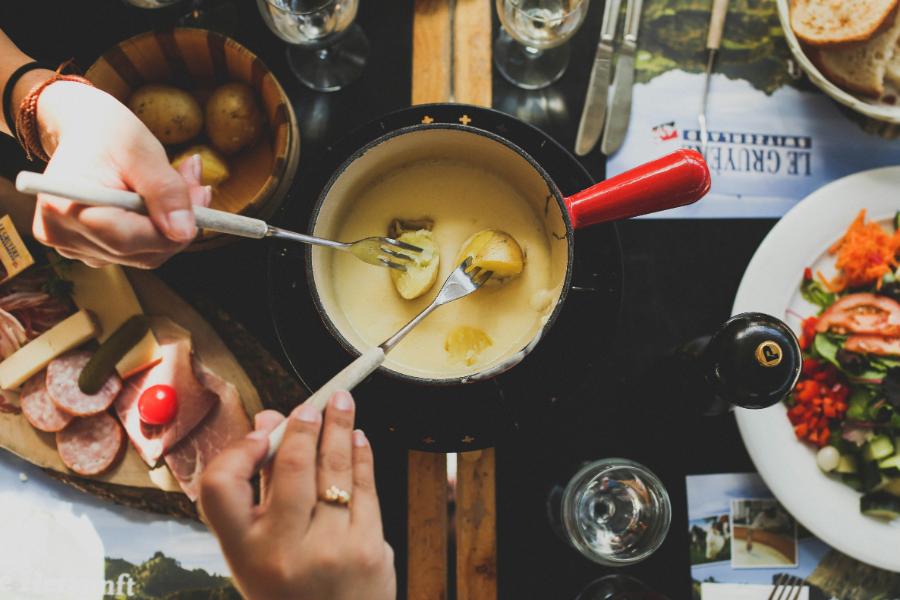
Slow food: giving meaning to what we eat
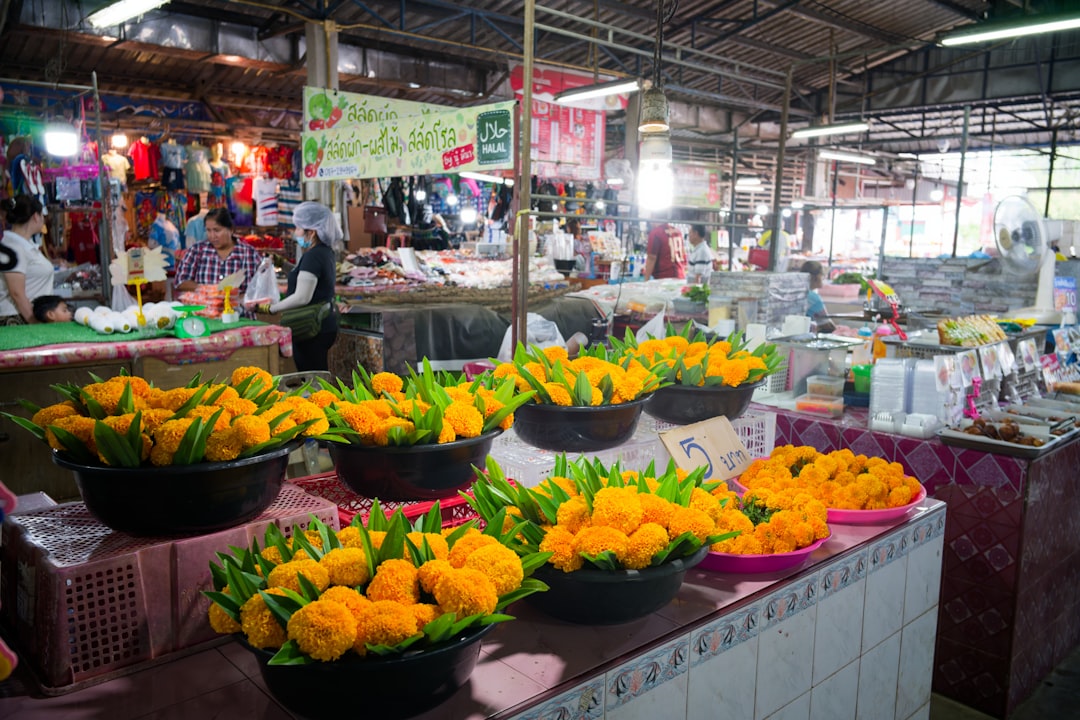
The Slow Food movement, born in opposition to fast food, has transformed into a global philosophy in 2026: local food, traceability, regenerative agriculture and shared pleasure.
This article guides you step-by-step to making what you eat meaningful again, with practical advice, current trends and ideas for taking action on your own scale — at home, in restaurants and while traveling.
What is Slow Food?
Slow Food advocates good, clean and fair food: quality products, respectful of the environment and accessible to producers and consumers. The movement, founded in Italy, has a documented history and a detailed philosophy available on the Wikipedia page dedicated to Slow Food.
In 2026, this trend integrates contemporary issues: climate resilience, food sovereignty and return to know-how. It's not just about eating slowly, but about understanding the provenance, the seasons and the impact of each choice.
Why give meaning to the plate in 2026
Our food system is today responsible for a large share of greenhouse gas emissions and a massive loss of biodiversity. Choosing Slow Food means helping to limit these effects by favoring regenerative agricultural practices and short circuits.
Beyond the environment, the Slow Food approach responds to public health expectations: less processed foods, dietary diversity and reduction of excesses. By eating more consciously, we also rediscover the pleasure of eating and the social connection around meals.
How to adopt Slow Food in your daily life
Start by consuming local and seasonal: favor markets, local producers and short circuit baskets (AMAP/CSA). In 2026, many traceability and connection apps will make these procedures simpler and more transparent.
Reduce waste with meal planning, proper storage and recycling of leftovers. Adopt a plant-forward diet (mostly plant-based with selected proteins) to reduce your carbon footprint without sacrificing taste.
Travel and eat: live the Slow Food experience
Gourmet tourism has adapted: open farms, agritourism stays and local cooking workshops allow you to understand the regions. International networks now list labeled experiences for curious travelers.
To go further, get information from dedicated initiatives and organizations: international structures share maps and guides to discover committed and authentic places, such as Slow Food International.
The role of chefs, restaurants and labels
Chefs play a central role in highlighting forgotten producers and products. In 2026, many establishments will display complete transparency: origin, seasonality, carbon footprint and agricultural practices of their suppliers.
Labels and certifications are being modernized to include soil regeneration and animal welfare. Learn to read menus and labels: choose restaurants that explain the origin of dishes and collaborate directly with local farms.
Recipes, menus and ideas for Slow cooking
Choose simple, seasonal recipes: root vegetable soups in winter, cereal and fresh vegetable salads in spring, vegetable grills and homemade preserves in summer. The main thing is the quality of the ingredients and respect for the seasons.
Experiment with shared cooking: large family dish, home fermentation, preserves and jars to prolong harvests. These gestures strengthen autonomy and create friendly rituals around food.
Act collectively: communities and impact
Slow Food is also embodied through collective action: shared gardens, local food banks, cooperatives and “shared meal” events reconnect city dwellers with producers. Participating strengthens social bonds and spreads good practices.
Politically, support local initiatives that promote access to land, agroecology and the training of new generations of farmers. Systemic changes begin in individual choices and are reinforced through citizen mobilization.
Thanks for reading, and don't forget, Enjoy Life Moments!