Sacred cenotes of the Riviera Maya: a luxury nature guide
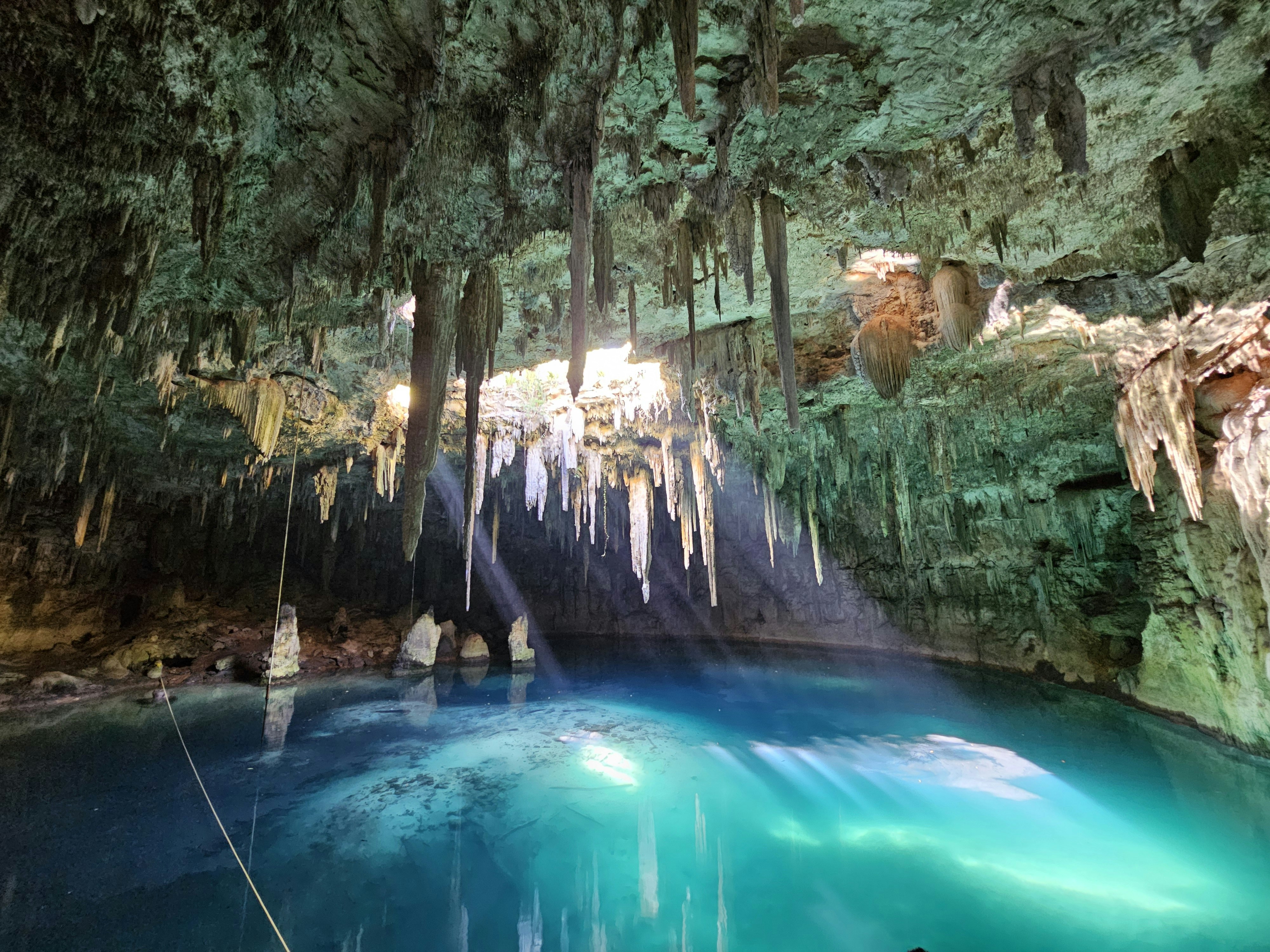
Enter a liquid cathedral of light, limestone and legend: the cenotes of the Riviera Maya are nature's most intimate theaters. A blend of sacred Mayan history and crystal clear fresh water makes each sinkhole a must-see for luxury travelers and nature lovers.
The Riviera Maya's cenotes aren't just destinations: They're portals to an ancient landscape where fresh water meets Caribbean limestone, where rays of sunlight reveal submerged caverns and haloclines that shimmer in blue-green layers. For the discerning traveler, cenote tours can combine privacy, culture and eco-friendly luxury, creating unforgettable moments under the jungle canopy.
In this guide, you'll find the most evocative cenotes to visit, how to experience them in style while supporting conservation, practical tips for swimming or diving safely, and the best eco-resorts and private tours that turn a day trip into a unique getaway.
Why cenotes are sacred: geology, Mayan tradition and biodiversity
Cenotes are natural sinkholes formed when limestone bedrock collapsed to expose groundwater beneath. They were lifelines for the ancient Maya and often served as ceremonial sites and sources of fresh water. Respect for these places is still at the heart of local customs: many cenotes are considered sacred and protected by communities.
Ecologically, cenotes are biodiversity hotspots. Freshwater species, stalactite formations, and delicate aquatic plants thrive in these microenvironments. Visiting responsibly helps preserve endemic fish, turtles and subterranean ecosystems prized by biologists and photographers.
The best cenotes to visit in the Riviera Maya: from hidden gems to iconic sinkholes
Gran Cenote (near Tulum) is famous for its bright waters and easy snorkeling access, with spectacular stalactites and clear swimming lanes ideal for photographers. Dos Ojos, a pair of interconnected caverns, is a world-class site for certified snorkeling and cave diving, offering long visibility tunnels that seem otherworldly.
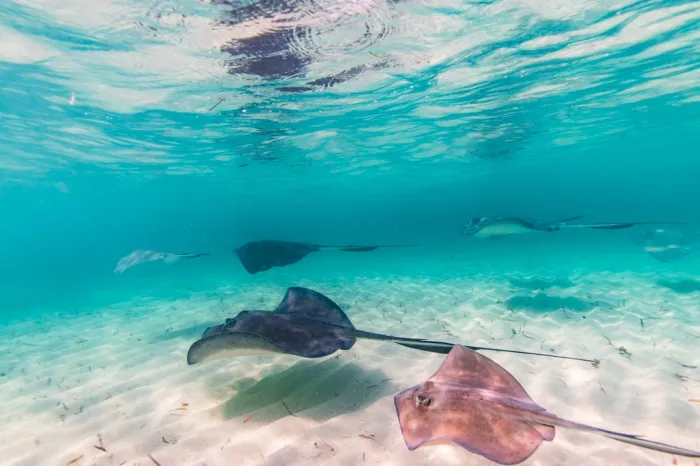
Casa Cenote (Casa Tortuga) sits on the edge of a mangrove swamp, where fresh water mixes with sea water and rays or small fish may glide past your fins. Calavera (the “skull” cenote) is intimate and adventurous, with small jumps and a bohemian vibe popular among free divers and creative travelers. Cenote Azul and Cenote Cristalino, near Puerto Aventuras, are bright, family-friendly options with shallow areas and cliffs to explore.
Luxury experiences: eco-resorts, private tours and exclusive access to cenotes
Many high-end properties in Tulum and the Riviera Maya now partner with local guides to offer private, conservation-minded cenote tours. Boutique hotels like those on the Tulum Coast offer experiences including sunrise swims, private guides and transfers that minimize environmental impact. When booking, consider properties that invest in local communities and sustainable practices.
Transfers by private boat or 4x4 with driver can take you to lesser-known cenotes, away from the main roads, where the light and solitude of early morning allow for serene swimming and photography. Look for operators that limit group sizes, enforce policies prohibiting sunscreen in the water, and contribute to community conservation programs.
Snorkeling, diving and safety: how to prepare
Snorkeling in cenotes is accessible to most travelers, but cave diving requires certified cave diving qualifications. Visibility can be extraordinary, but haloclines (where fresh and salt water meet) create surprising visual effects; Move slowly and follow your guide's instructions. Always use reef-safe sunscreen or the no-sunscreen policies that many cenotes enforce to protect fragile ecosystems.
Bring biodegradable insect repellent, sturdy water shoes, and a waterproof flashlight if you plan short adventures in the caves. Hydration and sun protection between swims are essential: the jungle sun can be intense even when cenotes are cool and shady.
Photography and Storytelling: Capturing the Magic
The best light for cenote photography is early morning or late afternoon, when rays of light pass through the water and suspended particles glow. A wide-angle lens is ideal for capturing the expanses of caverns; A waterproof case or compact underwater camera will help you document snorkeling scenes without risking your equipment.
Respect the site: avoid flash photography in small caverns and never touch delicate formations. Telling the cultural history of the cenote through images (showing local guides, signs about Mayan history, and restoration efforts) adds depth to travel stories and helps raise conservation awareness.
Tips for sustainable travel and how to give back
Choose certified local guides and community-owned cenote tours whenever possible. Small fees and donations often support cleanup initiatives and educational programs for local children. Avoid single-use plastics on excursions and follow strict “leave no trace” principles to keep waterways pristine.
Learn about regional conservation efforts and consider visiting the neighboring Sian Ka'an Biosphere Reserve for a broader view of coastal and wetland protection. For information on cenotes and their importance, reputable sources such as National Geographic or the full encyclopedia entry at Wikipedia provide solid context, while feature articles and travel essays can inspire your itinerary - see coverage at National Geographic.
Whether you're seeking solitude in a small cenote in the middle of the jungle or planning an elegant day combining a private swim with lunch at an eco-resort, the cenotes of the Riviera Maya are a rare blend of natural spectacle and cultural depth. Plan carefully, travel respectfully, and you'll leave with images and memories that feel like a private initiation into this ancient, liquid world.
Thanks for reading, and remember, Enjoy life's moments!