How many cenotes really exist?
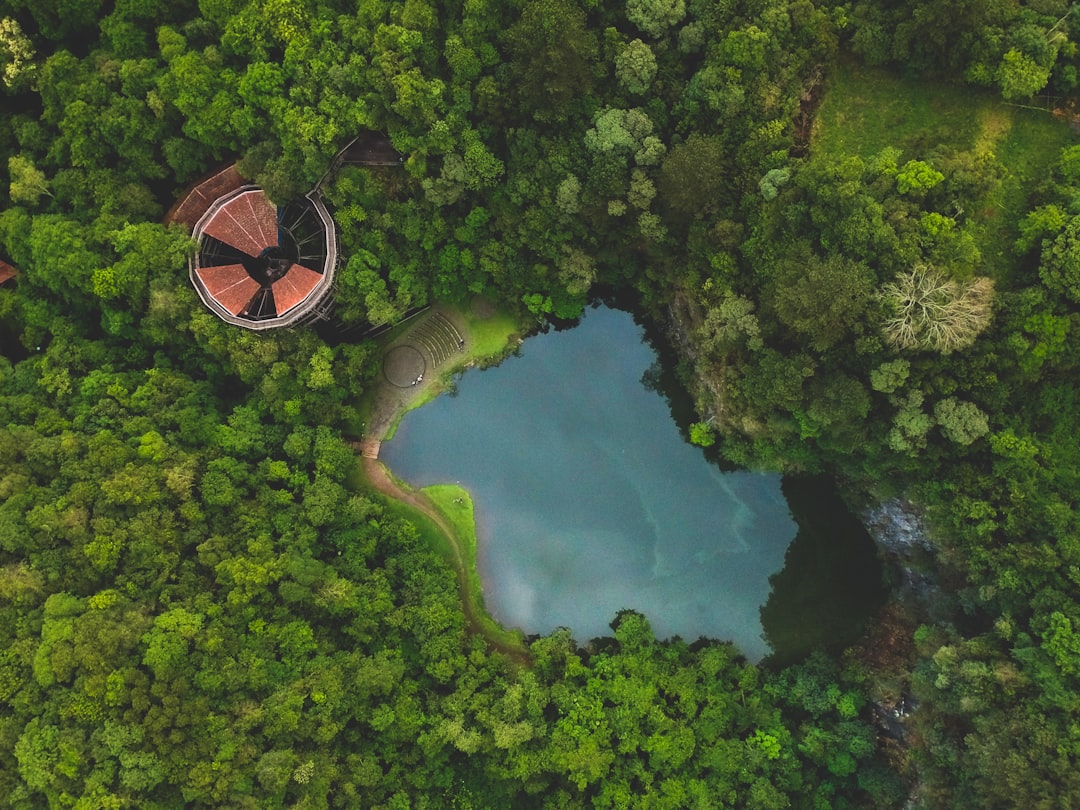
Cenotes are among the most iconic natural features of the Yucatán Peninsula, attracting scientists, divers and travelers. Their apparent abundance makes one wonder: can we ever count them all?
In this article we break down estimates, explain why counts vary, and offer practical tips for travelers who want to explore cenotes responsibly in 2026. Expect surprising facts and reliable context drawn from exploration, science and conservation.
What exactly is a cenote?
Cenotes are natural sinkholes formed when limestone bedrock collapses, revealing groundwater beneath. They were created over millennia as sea levels and karst processes shaped the Yucatán's porous geology.
Beyond their geological definition, cenotes hold deep cultural and ecological importance: they provided freshwater to ancient Maya communities and today host unique aquatic ecosystems and submerged cave networks studied by scientists and cave divers.
Estimates: why numbers vary
Most reputable sources agree there are thousands of cenotes on the Yucatán Peninsula, but estimates differ. Many published counts focus only on surface cenotes, while others include submerged cave entrances and mapped underwater systems.
For example, authoritative summaries often cite roughly 6,000 to 7,000 cenotes identified across the Yucatán region, but ongoing cave-diving exploration and improved mapping technologies regularly reveal new connections and features that change how researchers count distinct cenotes.
Contributions from science and exploration
Underwater cave explorers and hydrogeologists have been pivotal in refining our understanding. Large mapped systems like Sac Actun and Ox Bel Ha illustrate how multiple sinkholes can connect to a single extensive aquifer, complicating simple tallies.
Reliable, up-to-date information comes from scientific publications and organizations that catalog mapped cave passages rather than just surface openings. See further reading from National Geographic for context on exploration and from Wikipedia for a summary of cenote research and cultural history: National Geographic on cenotes and Wikipedia: Cenote.
Regional differences: Yucatán vs. the rest of Mexico
The Yucatán Peninsula (states of Yucatán, Quintana Roo and Campeche) contains the vast majority of Mexico's cenotes because of its flat, porous limestone platform. Counts outside the peninsula exist but are far fewer in number.
Consequently, most travel guides and scientific inventories concentrate on Yucatán-area sinkholes while noting that Mexico as a whole hosts many more karst features, some of which are locally called cenotes but differ in form and origin.
Why the exact count may never be fixed
Several factors keep the total uncertain: private landowners may restrict access, new sinkholes appear or disappear with environmental shifts, and underwater cave networks can link multiple surface cenotes into a single system.
Advances in sonar mapping, remote sensing and cave-diving surveys continue to refine totals, but any published number should be read as an evolving estimate rather than an absolute fact.
Where to see cenotes in the Riviera Maya and how to visit responsibly
The Riviera Maya offers easy access to many celebrated cenotes—near Tulum, Puerto Morelos, and inland toward Valladolid—ranging from open, sunlit pools to dramatic cavern systems. Popular names change with tourism trends, but the experience remains special.
Responsible visitation means following local rules, avoiding sunscreen before entering waters where requested, hiring certified guides for cave dives, and supporting conservation initiatives that protect groundwater and biodiversity.
Thanks for reading, and don't forget, Enjoy Life Moments!