Can you swim in sacred cenotes?
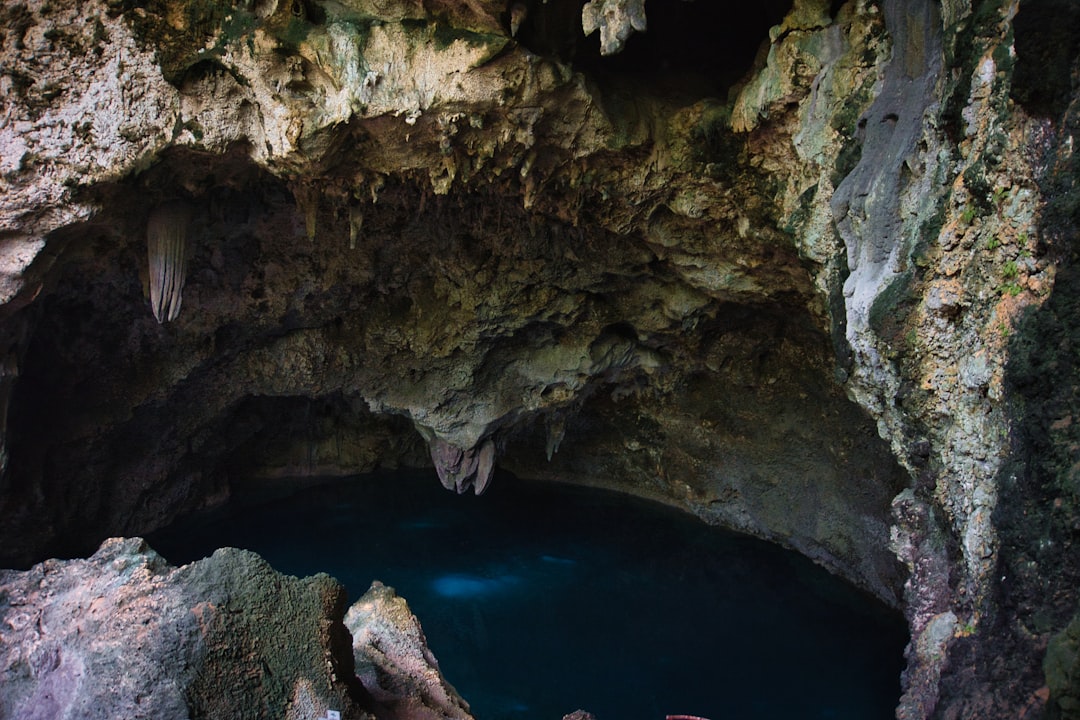
Cenotes are more than photogenic blue holes; they are sacred landscapes deeply tied to Maya cosmology and community life. Before diving in, it's essential to understand the cultural meaning, local rules, and the environmental sensitivity of these fragile systems.
This article explains when swimming is allowed, when it is prohibited, and how to behave responsibly to honor both ancestors and biodiversity. Whether you're planning a plunge or just a respectful visit, you'll leave better informed and ready to support sustainable tourism on the Riviera Maya.
What makes a cenote sacred?
For the Maya, cenotes were entrances to the underworld and sources of life-giving water; they appear in myths, rituals, and archaeological records. A cenote's sacred status can be derived from ancient ritual use, proximity to ruins, or continued ceremonial practices by local communities.
Many sacred cenotes contain artifacts, human remains or ceremonial offerings found by archaeologists, which is why some sites are protected and access is restricted. Recognizing a cenote's spiritual value helps visitors approach these places with humility and care.
Can you swim in sacred cenotes?
Short answer: sometimes. Some cenotes that are deemed sacred are open for swimming with rules, while others—especially those with archaeological or active ritual significance—are closed to swimmers. Always check signage and ask local guides or community representatives.
Local communities or managers set the rules. If a cenote is used for ceremonies, swimming may be restricted to specific areas or times; in other places, guided, respectful swimming is permitted. When in doubt, treat the site as sacred and avoid entering the water until you have clear permission.
Etiquette and respectful behavior
Dress modestly and avoid loud music or disruptive behavior. Many cenotes are located on communal land or are managed by ejidos (local land cooperatives), and following local customs shows respect and support for residents.
Do not apply sunscreen, insect repellent, or oils before entering the water—these substances harm aquatic life and water clarity. Use biodegradable products only where explicitly allowed, and always dispose of trash responsibly.
Safety and conservation tips
Wear a life jacket if provided and follow your guide's instructions; underwater caves can be unpredictable and many cenotes have sharp rocks and strong currents. Avoid solo swimming in unfamiliar or restricted cenotes.
Conservation is a shared responsibility: limiting physical contact with fragile formations, not removing artifacts or flora, and supporting cenote conservation fees helps protect these ecosystems for future generations.
Where to go and when to stay away
Some well-known cenotes like Gran Cenote or Dos Ojos welcome swimmers with clear rules and facilities, while others labeled "sagrado" or "sacred"—for example, certain cenotes linked to major archaeological sites—may prohibit swimming. Research each site in advance and prefer community-run sites that invest in conservation.
For historical and cultural background consult reliable sources such as the Wikipedia entry on cenotes and reporting by National Geographic to learn more about their significance and protection efforts: Wikipedia: Cenote and National Geographic: cenotes.
Thanks for reading, and don't forget, Enjoy Life Moments!