Are crocodiles dangerous in the Riviera Maya?
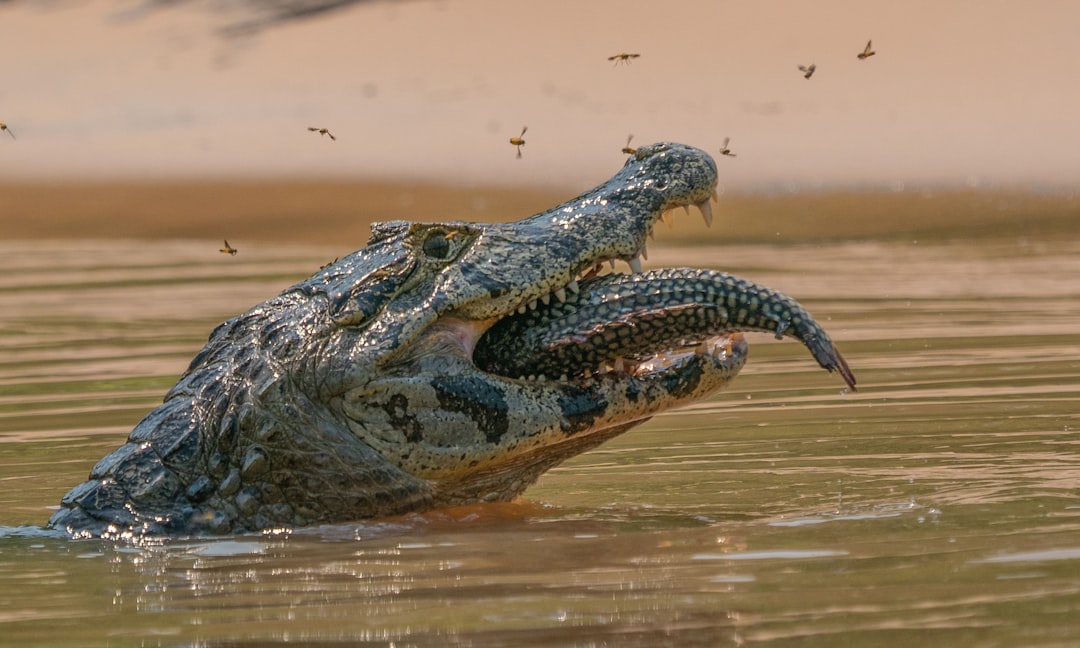
The Riviera Maya is famous for its turquoise beaches, ancient ruins and lush mangroves — and, tucked into that landscape, a native population of American crocodiles (Crocodylus acutus). For most travelers, crocodiles remain part of the wild backdrop rather than a daily concern, but understanding when and where they appear is key to staying safe.
This guide explains where crocodiles live, how dangerous they can be, sensible precautions for visitors, and what to do in the unlikely event of an encounter. We also link to authoritative resources so you can verify facts and dive deeper.
Where crocodiles live in the Riviera Maya
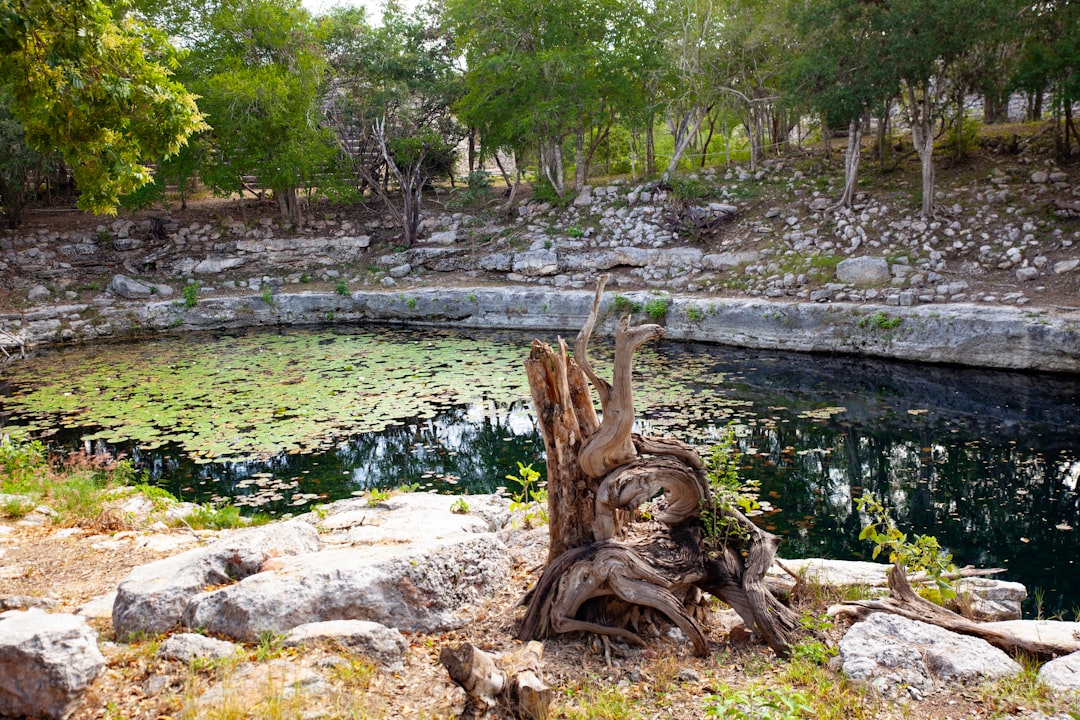
Crocodiles are commonly found in brackish and freshwater habitats: coastal lagoons, mangrove channels, estuaries and some cenotes that connect to groundwater systems. These areas provide shelter and a steady food supply, making them prime crocodile habitat.
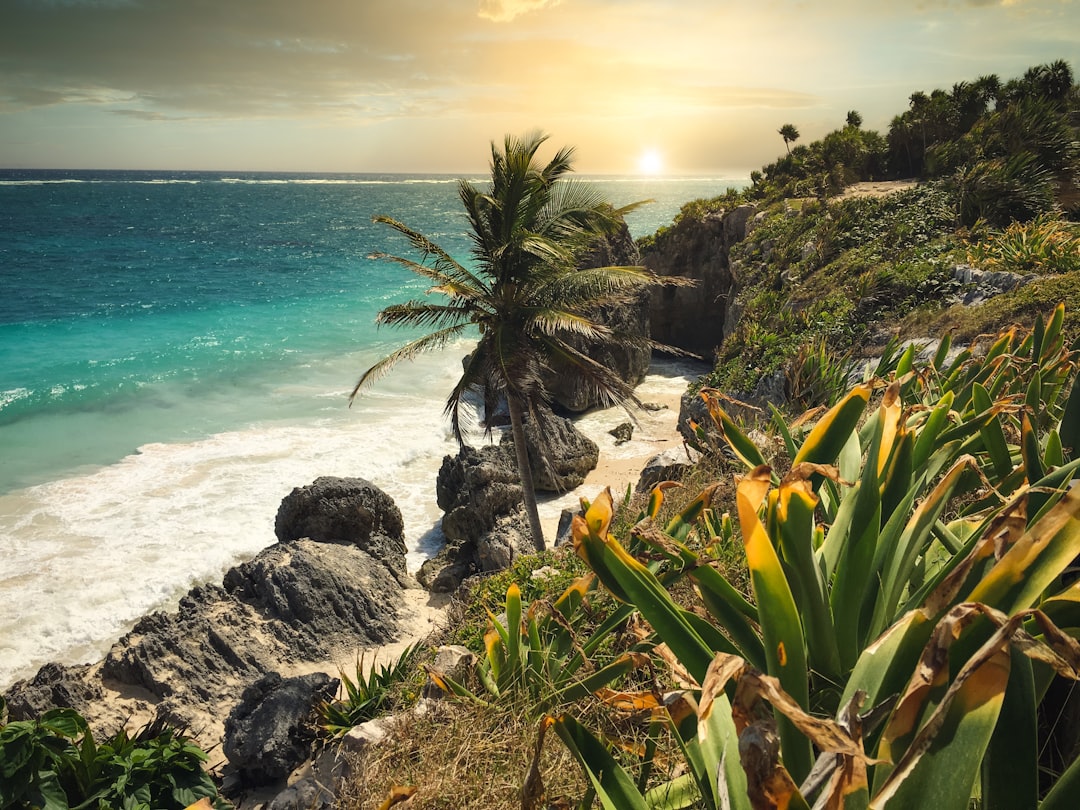
Beachfront and open-sea areas are generally crocodile-free; the real hotspots are the inlets, river mouths and mangrove forests that dot the coastline. Local tour guides and signage will often point out known crocodile zones — heed their advice.
How common are crocodile sightings?
Sightings in built-up tourist zones are uncommon but not impossible. Crocodiles are more visible during the dry season when water levels fall and animals concentrate. Many sightings reported by visitors occur in lagoons, mangrove canals and quieter river mouths rather than on public beaches.
If you want to see crocodiles safely, choose an organized wildlife tour led by trained guides. Reliable information about the species and behavior can be found on authoritative sites such as National Geographic.
Are crocodiles dangerous to humans?
Like any large wild predator, crocodiles can be dangerous, but attacks on people in the Riviera Maya are rare. Most incidents worldwide occur when crocodiles are provoked, fed, approached at night, or when people enter waters where visibility and distance are limited.
Avoiding risky behavior eliminates the vast majority of potential problems. Crocodiles prefer to avoid humans when possible; negative interactions usually result from unusual human actions such as feeding or surprising an animal at close range.
Practical safety tips for visitors
Follow simple rules: never swim in mangroves, estuaries, or murky inland waters; avoid the water at dusk and after dark; keep a safe distance if you see a crocodile; and never feed wildlife. Keep dogs and small children away from water edges where crocodiles might be waiting.
When in doubt, ask local staff or guides about nearby crocodile habitats and posted warnings. For local trip planning and destination reviews you can consult resources like TripAdvisor Riviera Maya for visitor reports and recent experiences.
What to do if you encounter a crocodile
If you see a crocodile on shore, maintain a large distance and back away slowly without turning your back. Do not run toward the water or provoke the animal. Crocodiles can move quickly on short distances on land, so give them space.
In the very unlikely event of an attack, try to get to higher ground and create obstacles between you and the animal. Call local emergency services (in Mexico dial 911) and notify nearby authorities or resort staff immediately so trained personnel can respond and secure the area.
Conservation and local regulations
American crocodiles are protected in Mexico and play an important role in coastal ecosystems. Conservation programs and local authorities monitor populations and educate the public to reduce conflicts between humans and crocodiles.
If you encounter an injured or unusually bold crocodile, report it to local wildlife authorities rather than attempting to handle the animal yourself. Protecting both people and crocodiles requires respect, good information, and adherence to local rules.
Thanks for reading, and don't forget, Enjoy Life Moments!