Are cenotes dangerous? Animals and safety in the Riviera Maya
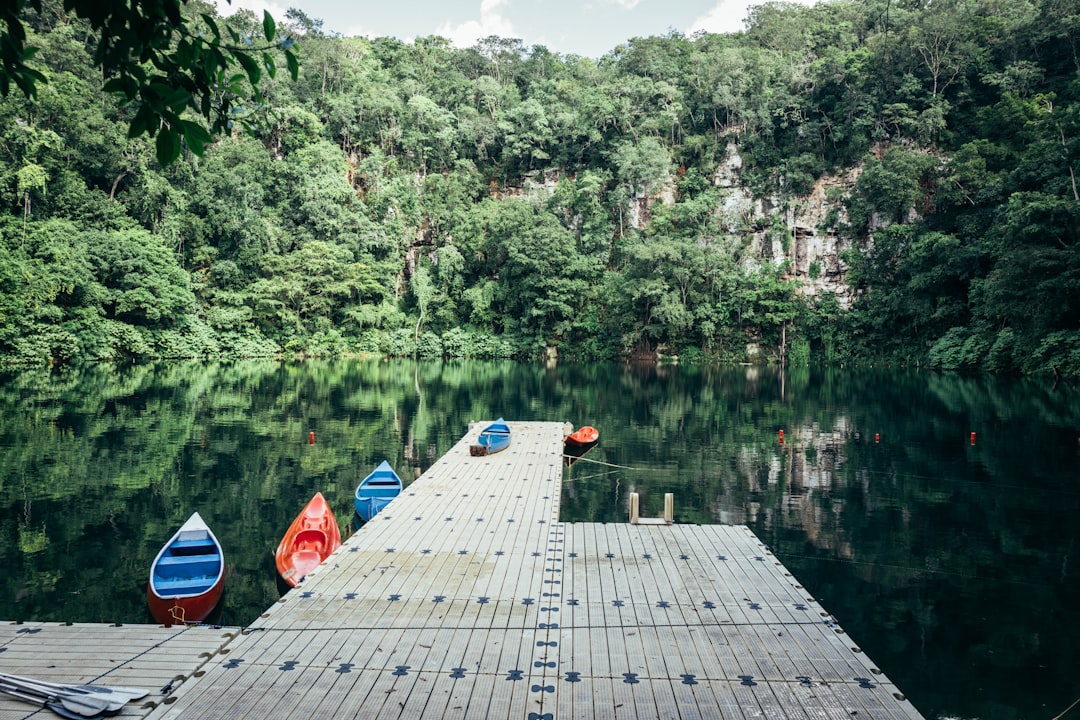
Cenotes are freshwater sinkholes unique to the Yucatán Peninsula and a major reason travelers flock to the Riviera Maya. They host a surprising mix of wildlife, from tiny cave-adapted fish to bats and occasionally larger reptiles.
This guide explains what animals you may find, which ones can be hazardous, and the practical steps you should take to reduce risk while respecting these fragile ecosystems.
What animals live in cenotes?
Cenotes support a variety of species adapted to fresh, often clear water and the surrounding forest or cave environment. Common sightings include freshwater fish (including catfish and endemic blind cavefish), freshwater turtles, and a range of aquatic invertebrates. In cave-style cenotes you’ll also find bats roosting in the roof and insects around the waterline.
Some cenotes are connected to underground rivers and host more diverse fauna; others are isolated and home to specialized, endemic species. Learn more about cenotes and their geology on Wikipedia.
Which animals can be dangerous?
The most notable potentially dangerous animal in the region is the Morelet's crocodile, which inhabits freshwater lagoons and, in rare cases, has been observed near cenotes that connect to surface waterways. Encounters are uncommon, and local operators post warnings or close sites if crocodile presence is suspected.
Other risks are indirect: cave-dwelling bats produce guano, which can harbor fungal spores linked to histoplasmosis if disturbed in poorly ventilated caves. Also be mindful of sharp rocks, submerged branches and slippery ledges — injuries from the environment are more common than animal attacks.
Practical safety tips for visitors
Follow local rules and signage: operators and park staff monitor wildlife and will close a site if an animal poses a danger. Swim only in authorized areas, avoid entering marked caves without a certified guide, and never dive alone. A life jacket is a simple, effective precaution for casual swimmers.
Don’t feed, touch or chase wildlife. If you see signs of crocodiles (tracks, slides, or local warnings), leave the water immediately and notify staff. Avoid swimming at dusk or night when some animals are more active, and cover any open cuts before entering fresh water to reduce infection risk.
Health, conservation and respectful behavior
Use biodegradable sunscreen to protect water quality and aquatic life. Rinse off before entering cenotes, and avoid introducing soaps or chemicals. If you’re visiting cave cenotes, avoid disturbing bat roosts to reduce disease and ecological impact.
Responsible tourism supports conservation: choose certified guides and community-run cenotes, follow leave-no-trace principles, and report illegal wildlife feeding or removal. For broader travel advice about Mexico and responsible visiting, consult reputable sources such as National Geographic.
Thanks for reading, and don't forget, Enjoy Life Moments!