Are all cenotes natural? Debunking the myths of the Riviera Maya
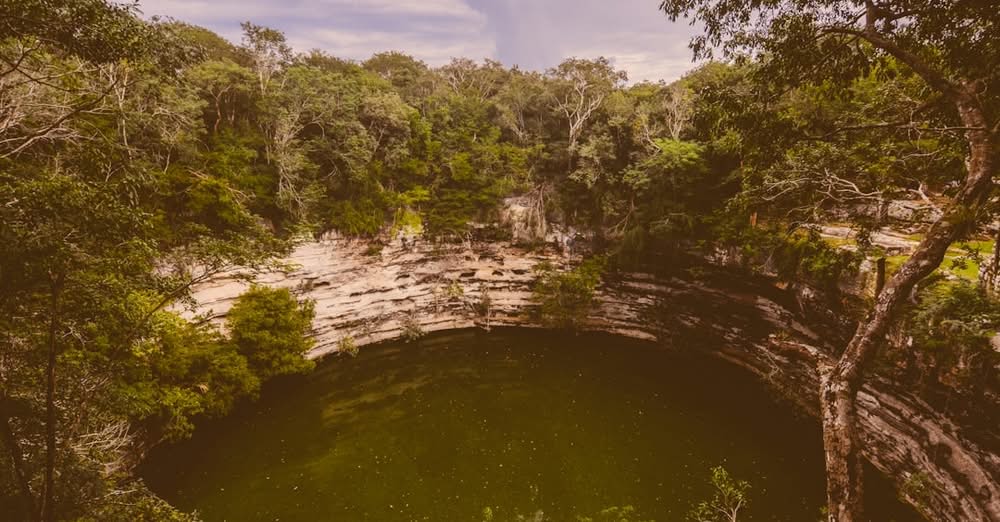
Cenotes are like nature's secret pools, but are they all formed naturally? The short answer: Almost all are natural, although the full story includes human alteration and modern confusion.
Cenotes are more than picturesque swimming holes; they are openings onto the vast underground karst network of the Yucatán and reservoirs of biodiversity and cultural memory. Understanding their origin helps visitors understand why they are fragile and worth protecting.
In this article we explain how cenotes form, which cases involve human modification or confusion with other bodies of water, and how to choose authentic and responsible experiences when exploring the Riviera Maya in 2026.
What is a cenote?
The word “cenote” comes from the Yucatec Mayan term “dzonot,” which refers to a natural well or sinkhole that exposes groundwater. Cenotes appear where the limestone bedrock of the Yucatán Peninsula collapses or erodes, revealing river systems and cave networks beneath the surface.
Cenotes vary in appearance: some are large, open pools; others are narrow, cavernous spaces; and many are found entirely underground as part of flooded cave systems. They have provided vital water sources for humans and wildlife for millennia.
How are cenotes formed
Cenotes form in karst landscapes where rainwater dissolves soluble limestone over thousands or even millions of years. As underground cavities expand, ceilings can weaken and eventually collapse, exposing groundwater below.
The process is natural and determined by climate, geology and time. Seasonal precipitation, changes in sea level, and the direction of underground rivers all influence where and how cenotes grow in the Yucatán Peninsula.
Are all cenotes natural?
By definition, real cenotes are natural. The vast majority of cenotes in the Riviera Maya and Yucatán are natural sinkholes or cave openings created by geological processes. Scientific and tourism authorities describe these features as natural karst phenomena (National Geographic).
However, what travelers encounter can vary: many natural cenotes have been modified with stairs, platforms, lighting, and safety features to accommodate visitors. Tourist listings sometimes lump together heavily modified cenotes, private beach holes, and even man-made pools, which can create confusion when people ask if all cenotes are natural (TripAdvisor).
Cenotes and meteorites: a common confusion
A common belief is that the Yucatán cenotes were created by meteorite impacts. In reality, cenotes are not formed directly by meteorites, but by natural geological processes linked to the erosion of limestone by water. Their appearance results from the gradual collapse of underground caves, and not from a sudden shock from space.
However, this confusion has a real scientific origin. The Yucatán Peninsula is home to the Chicxulub crater, a remnant of the impact of a huge meteorite around 66 million years ago, associated with the extinction of the dinosaurs. This impact fractured the bedrock over a large area, making the limestone more vulnerable to water infiltration. These fractures indirectly favored the formation and exceptional concentration of cenotes, notably in an almost circular ring around the crater — a fascinating detail where terrestrial geology and cosmic history meet.
Human modification and “cenote-like” features
Although cenotes are naturally formed, humans have long modified them for access, ritual use or storage. Steps, platforms, railings and visitor centers are common. Historically, the Maya used many cenotes for water and ceremonial purposes, sometimes resulting in modifications in and around the opening.
There are also artificial or anthropogenic water sources, such as collapsed quarries, dug cisterns or artificial pools, which may resemble cenotes but are not true karst sinkholes. When choosing a site, look for geological indicators (limestone walls, cave passages, clear groundwater) and reputable guides who can confirm a site's origin.
How to spot authentic cenotes and visit responsibly
To ensure you visit a real cenote, research the site and prefer protected or community-managed cenotes with clear signage about geology and conservation. Ask the guides about the type of cenote: open, semi-open, cavern or underground – each indicates a natural karst formation.
Observe conservation rules: avoid wearing sunscreen or mosquito repellent before swimming, use biodegradable products if necessary, follow signage and do not remove stones or objects. Supporting local conservation taxes helps protect groundwater and cenote-related archaeological sites.
Thanks for reading, and remember, Enjoy life's moments!